Count the disposable habit first
Choose a recurring disposable item and describe the task it performs. A paper towel used for drying clean hands is different from one used for a hazardous spill. A takeaway cup bought during a commute needs a different solution from a drinking glass used at home. Starting with the task prevents a common mistake: replacing an object without understanding why it was convenient.
Look for an existing alternative before buying one. You may already have enough bags, bottles, food boxes and old cotton cloths to run a useful trial. Check that repurposed materials are suitable for their new job; not every fabric belongs near food, heat or chemicals. Do not turn safe reuse into improvisation where a specialist material or a disposable option is justified.
Plan the whole return journey
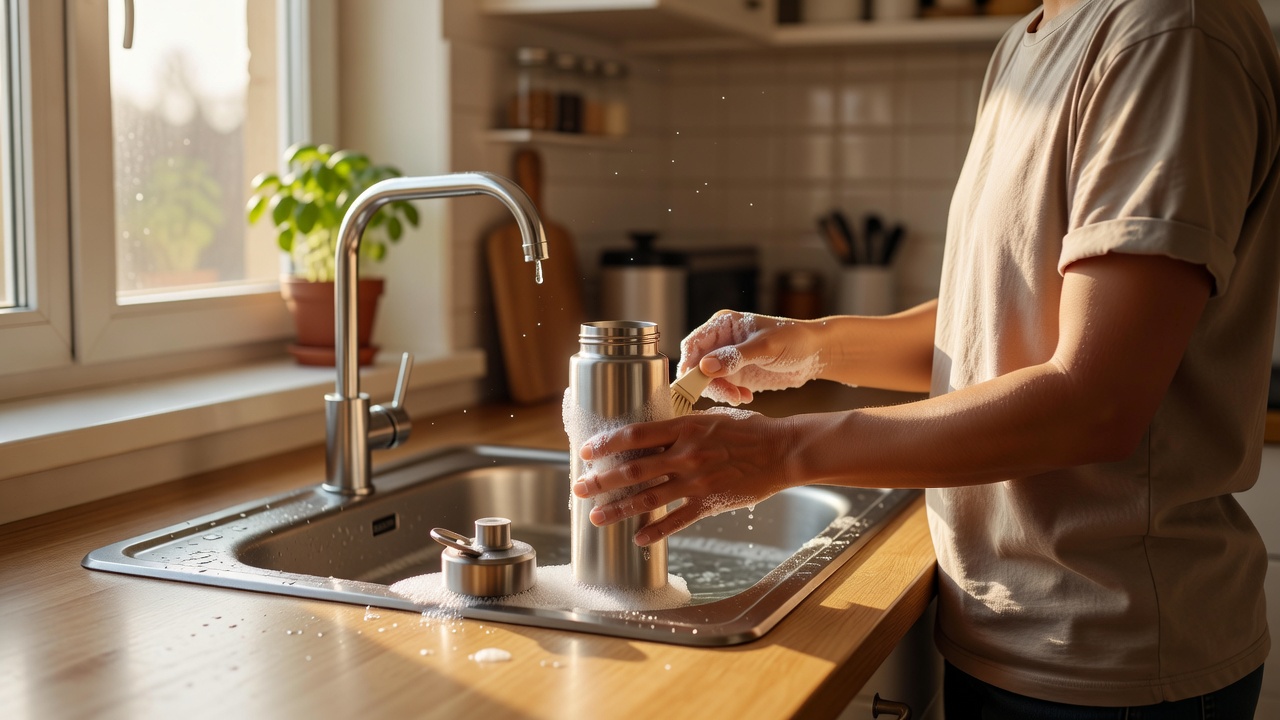
A reusable item needs a route from clean storage to use, then through washing and drying, and back to its starting place. If a bottle stays in a bag for days or a cloth has no place to dry, the routine has a missing step. Put that step into the plan before increasing the number of items. A hook, a drying space or a reminder may be more useful than another purchase.
Keep enough items to cover your real washing interval, but resist stocking for every imagined situation. A small working rotation is easier to inspect and maintain. If laundry already happens regularly, suitable cloths can join an appropriate load, following care and hygiene guidance. If each use requires a separate intensive wash, the resource demand changes and deserves attention.
Choose cloths by the job
For ordinary low-risk cleaning, washable cloths can replace some disposable wipes or paper towels. Keep bathroom cleaning cloths separate from kitchen and food-contact tasks. Wash them using an appropriate method and let them dry thoroughly. Do not leave damp cloths bundled in a sealed container. Where illness, contamination or a specific chemical changes the risk, follow public-health or product instructions rather than a general reuse rule.
Microfiber can be effective for certain cleaning tasks, but synthetic textiles can shed fibers during washing. Cotton also carries production and laundering impacts. These trade-offs do not support a simple “natural good, synthetic bad” verdict. The useful questions are whether the cloth performs well, how it is washed and whether it remains in regular service instead of being discarded early.
Make bottles, cups and bags easy to use
A bottle opening must be accessible to your cleaning method. Complex lids, straws and hidden seals can require disassembly and small brushes. Check whether replacement seals are available and whether the bottle is suitable for the drinks you intend to carry. A leakproof lid that is painful to open is not a good fit for every person. Weight, grip and one-handed use can matter more than appearance.
For shopping bags, start by using the ones already available. Keep them where the shopping journey begins, and clean them appropriately, particularly after leaks or contact with raw food packaging. A heavy bag that lasts but rarely leaves the cupboard is not delivering much repeated use. Avoid collecting promotional bags simply because they are described as reusable.
Do not borrow a break-even number
Life-cycle comparisons depend on manufacturing, weight, transport, washing, energy supply and end-of-life assumptions. The United Nations Environment Programme’s Life Cycle Initiative publishes work that helps explain why a single-use-versus-reusable comparison needs this context. A reuse count from one study is not a universal target for every cup, bag or household. Waste reduction and lower greenhouse-gas emissions are related goals, but they are not identical measurements.
The Ellen MacArthur Foundation discusses reuse models at a system level, including refill and return approaches. These ideas are useful for asking who cleans, transports and recovers the item. They do not prove that every product carrying the word “circular” performs well. Look for specific information and prefer realistic use over a broad environmental promise.
Read disposal labels carefully
Compostable does not mean reusable, and it does not mean an item can go into any garden compost bin. EN 13432 concerns packaging recoverable through composting and biodegradation under specified conditions; ASTM D6400 is a specification associated with industrial composting of plastics. Neither label alone confirms that your local facility accepts the item. Ask your collection provider before putting compostable packaging into an organics stream.
At the end of a reusable item’s life, separate replaceable components where practical and follow local disposal instructions. Do not assume a mixed-material bottle or cleaning tool is accepted alongside simple packaging. The strongest waste prevention often happened earlier: choosing something repairable, caring for it properly and not replacing it for cosmetic reasons.
Keep the routine proportionate
Review your trial after several ordinary uses. Did it avoid a disposable purchase? Was the cleaning manageable? Did every household member have a workable option? Accessibility, medical needs and limited washing facilities can make some disposable products necessary. A lower-waste home does not require every task to become reusable. Keep the changes that help and leave room for circumstances that do not fit.